
Exploring the psychology behind casino wins and losses
The Thrill of Anticipation
The psychology of gambling often begins with the thrill of anticipation. When players engage in games of chance, they are not just betting money; they are buying into the excitement of potentially winning big. This anticipation triggers a release of dopamine in the brain, a neurotransmitter associated with pleasure and reward. The heightened emotional state can lead to cognitive biases, where gamblers overestimate their chances of winning and underestimate the potential for loss, especially when they seek sports betting promos that seem enticing.
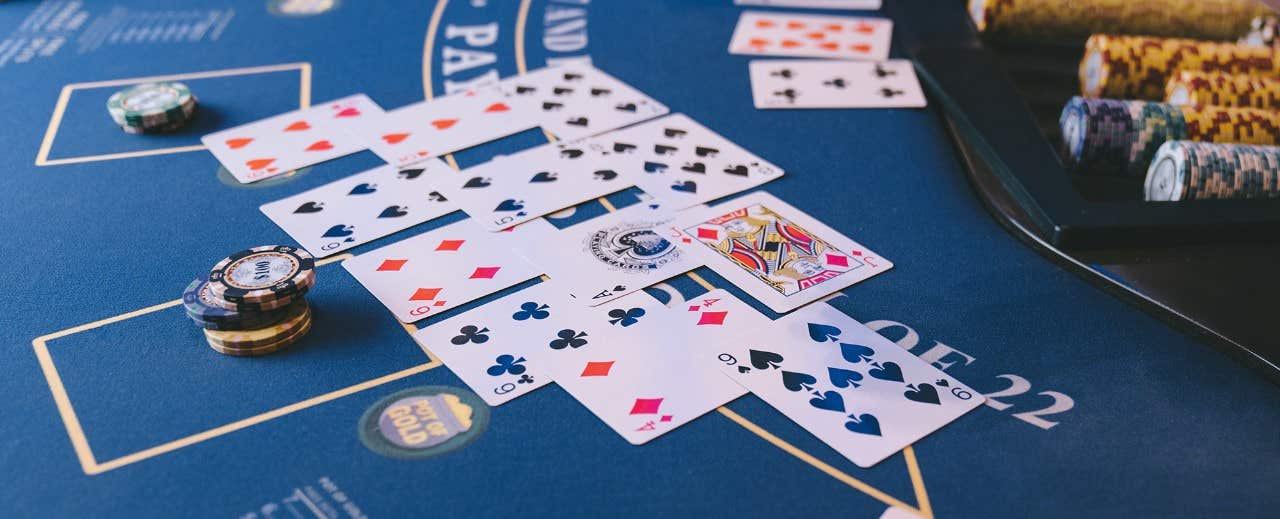
This cycle of anticipation can create a powerful pull towards the casino environment. The bright lights, the sounds of machines, and the presence of other excited players all contribute to an atmosphere that heightens anticipation. Gamblers often chase the feeling of winning, which can lead to continued play even after experiencing losses, perpetuating a cycle of risk and reward in their behavior.
The Role of Emotion in Decision-Making
Emotions play a significant role in how gamblers make decisions during gameplay. When faced with a winning streak, players may experience feelings of exhilaration that can cloud their judgment. This emotional high can lead to riskier bets and a tendency to ignore the statistical realities of their gameplay. Conversely, losses can invoke feelings of frustration or sadness, which may compel players to gamble more in an attempt to recoup their losses, known as “chasing losses.”
This emotional interplay can significantly distort a gambler’s perception of risk. When on a winning streak, a gambler may feel invincible, leading to overconfidence. On the other hand, the despair from losing can result in a desperate push for a win, which often leads to further losses. Such emotional reactions underscore the fragile balance between joy and despair inherent in gambling psychology.
The Illusion of Control
Many gamblers fall prey to the illusion of control, where they believe they can influence the outcome of games of chance. This false sense of mastery often emerges in games like poker where skill is involved, but it can also extend to purely luck-based games like slot machines. Players might believe that specific rituals, superstitions, or strategies can enhance their likelihood of winning, even when outcomes are entirely random.
This belief in control can lead to a deeper engagement with gambling. When players feel they have some influence over the outcome, they are more likely to continue playing, despite the odds being against them. This illusion can create a cycle of belief that reinforces gambling behavior, as players strive to prove their ability to «beat the odds.»
The Social Aspect of Gambling
Gambling is inherently a social activity, often enjoyed in groups or at crowded venues. This communal experience can amplify the thrill of winning and the disappointment of losing. People are influenced by the behavior of those around them, so a friend’s win can elevate a group’s mood and encourage further play. Conversely, witnessing losses in a social setting can lead to shared feelings of frustration, prompting collective decisions to continue gambling in hopes of a turnaround.
The social dynamics of gambling can also have psychological repercussions. The desire to fit in or impress peers may lead individuals to bet more than they can afford, purely to maintain a façade of confidence or control. This social pressure can exacerbate gambling habits and contribute to a cycle of wins and losses that is difficult to break.
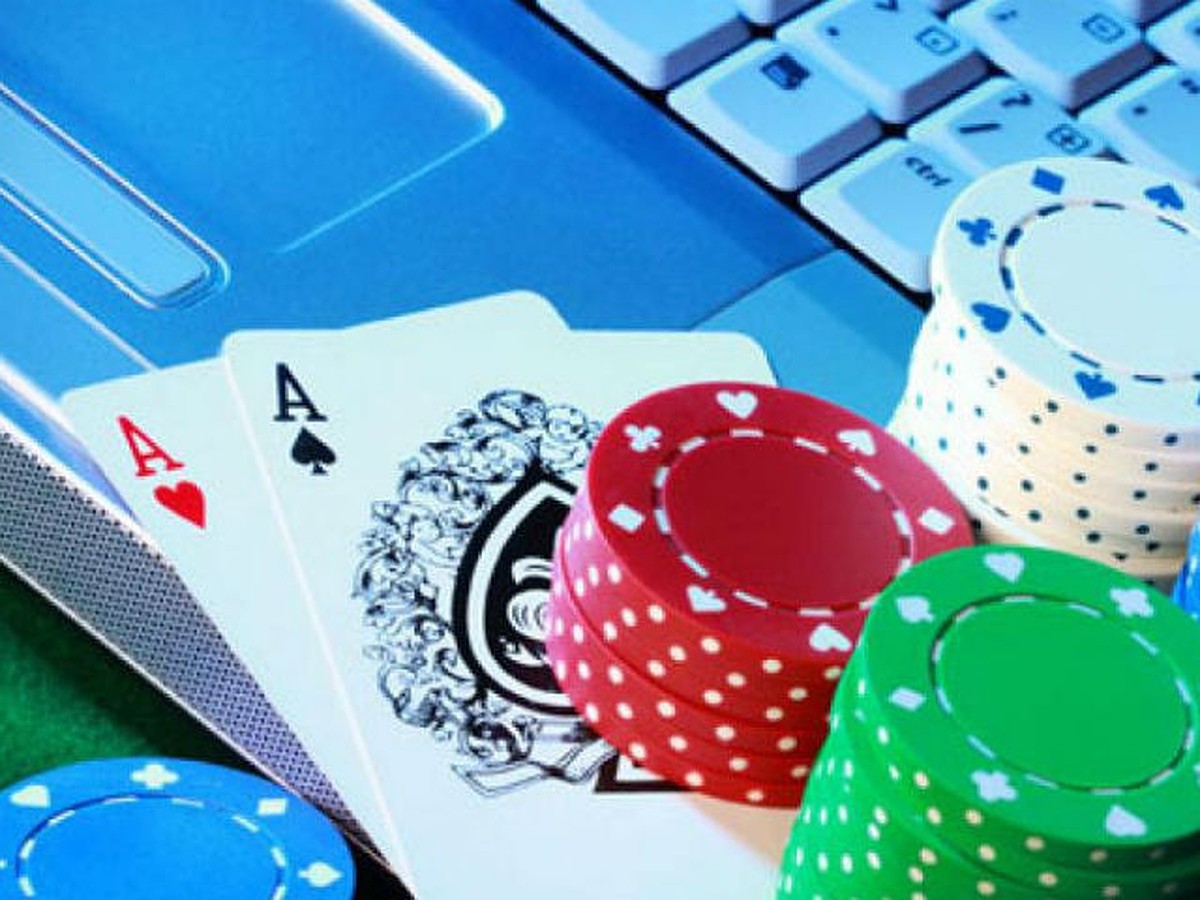
Understanding the Risks in Online Gambling
This website offers valuable resources for understanding the complex psychology of gambling, particularly in the realm of online casinos. With advanced security measures in place, it promotes safe gambling practices while helping users recognize the signs of problematic behavior. Understanding psychological triggers can empower players to make more informed decisions and maintain control over their gambling habits.
By educating users about the mental aspects of gambling, this platform fosters a community that prioritizes safe and responsible gaming. Whether you are a casual player or someone who engages more frequently, being aware of the psychological factors at play can significantly enhance your gambling experience and help mitigate potential risks.